Article
There is a distinct grim comedy in the reports emerging from Staffordshire University this week.
Originally posted on LinkedIn on November 25, 2025.
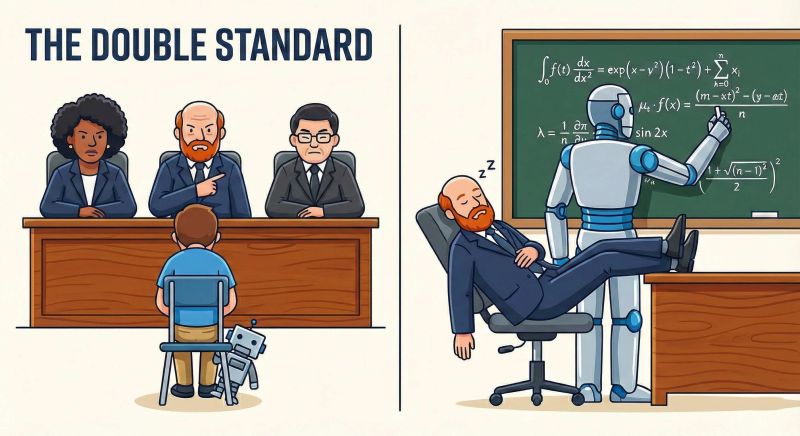
There is a distinct grim comedy in the reports emerging from Staffordshire University this week. Students on a computing course allegedly found themselves staring at lecture slides with file names like “chat-gpt-1”, listening to voiceovers that drifted into uncanny valley accents. It appears the students, paying £9,250 a year, were not terribly impressed by this particular brand of “innovative efficiency”. We can smile at the ineptitude - if you are going to outsource your lecture writing to a Large Language Model, at least rename the file - but the structural implication is serious. Across the sector, we have spent the last two years convening misconduct panels, tweaking academic integrity policies, and wringing our hands about students using AI to shortcut learning. We demand transparency. We insist on human authorship. Yet, when the pressures of funding shortfalls and staffing cuts bite, institutions seem tempted to use the exact same shortcuts to deliver content. 🤖 The message this sends to the student body is disastrous. We cannot claim that generative AI is a threat to critical thinking when used by a novice, but a standard “efficiency practice” when used by a provider. If we want students to value the “human premium” in higher education, we actually have to provide it. If the lecture could have been an email, that’s bad enough. If the lecture could have been a prompt, we are in trouble. 🚩 How is your institution handling staff use of AI? Is there a policy gap? #HigherEducation #AIinEducation #AcademicIntegrity #StudentExperience #EdTech #QualityAssurance #Governance