Article
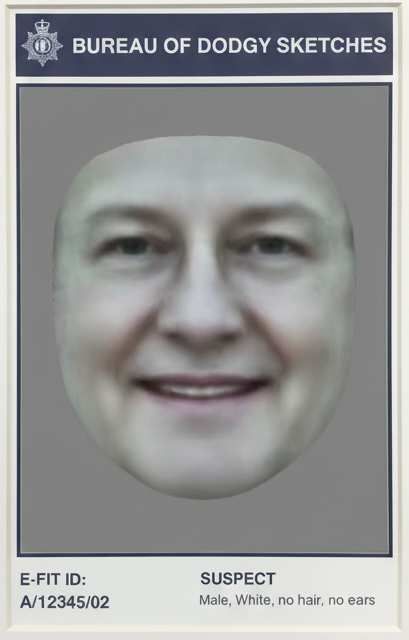
Do you recognise this face?
Originally posted on LinkedIn on October 15, 2025.
Do you recognise this face? The suspect is 58 years old (on average), male (in two thirds of sightings), and of North European ethnicity (98%). Often goes by the name of Andy, Peter, Paul or Steve. Claims to have been running UK universities for years. This is not a police e-fit. It’s an average of official headshots to show how alike our university leaders look. Why does this matter? UK higher education has made visible progress on diversity among staff and students. The lecture theatres are more representative than ever. But as you move up the hierarchy, the picture changes sharply. 📊 Women now make up 49 of the UK’s Vice-Chancellors – almost one-third, up from just 17 % a decade ago. 👩🏫 Female professors now account for 32 % of the total, nearly double the proportion in 2012. Yet at the very top, one fact remains stark: 🏛️ Out of roughly 164 Vice-Chancellors, only two are Black. That figure alone tells the story. Ethnic minority staff now form one-quarter of the academic workforce, but only 14 % of professors. For Black academics, the proportion holding a professorship has been stuck at 1 % for years. The intersectional picture is worse still – just 70 Black women professors in the entire UK sector. So while gender balance has improved, racial equity in leadership has barely moved. Diversity flourishes in classrooms and mid-career posts, but vanishes in the boardroom. If universities genuinely believe in equality, leadership recruitment practices must be rebuilt – not simply celebrated. Representation at the top is not a matter of optics; it’s the ultimate test of whether equity work has worked. Homogeneous leadership produces correlated judgments: the same CVs, the same networks, the same playbook. This has meant repeated bets: estate-led growth, heavy exposure to international fees, short-term restructures, and a narrow definition of “excellence”. The result is brittle finances, slow course correction, and groupthink in crisis. If we want better outcomes, change who gets to decide. Widen routes into PVC and VC roles. Publish criteria and shortlists. Set term limits for search committees. Sponsor diverse deputies with budget authority. Diversity is not the destination. It is the mechanism for better governance, risk sensing, and strategy. Until the top stops looking like one face, we will keep making the same decisions. *Sources: HESA (2023/24), Advance HE (2024), “UK Higher Education Staff Demographics: Longitudinal Shifts, Structural Inequalities and Senior Management Representation.” [Composite image created from public headshots. No institution or individual is singled out]